Question - Rotator Cuff Tear (subscapularis)
by beebs
(NY)
I'm 35 yrs old. Pretty good physical condition. I took a hard fall and felt pain immediately in my dominant right arm. Dr. originally diagnosed impingement and MRI confirmed. Treated with therapy and cortisone. Did not respond so after one year did arthroscopic surgery. Found impingement and cleaned that up(supraspinatus?). Also found supscapularis tear that was in the Dr.'s words "hanging by a thread". No retraction of tendon. He fixed it with some sort of anchor that will eventually disappear. This was Oct. 2007.
I went back to work in 14 weeks after lots of therapy.I continue with stretching and everything else from PT. I'm no better now than I was in Feb.
I do push-ups on my knees and believe it or not-dips. Regular push-ups and my shoulder feels like it will literally pop.
Question is, should this eventually get any better? I have found lots of rotator cuff info. but think that most of it pertains to supraspinatus tears. I know subscapularis tears are rare. Any idea how this rates with serious tears of the other tendons.
I can't itch my back,throw a ball,or lift much of anything "underhanded". Lots of pain if I sleep on that shoulder.
Return to Sports Injury Answers.
Recent Articles


-
Common sports injuries - Straight forward information from Sports Injury Info
Nov 25, 15 05:44 PM
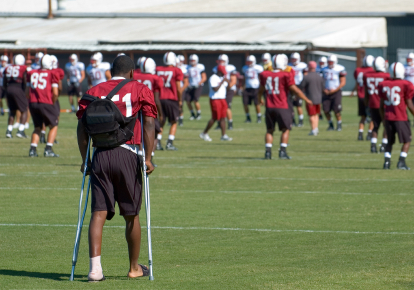 Learn more about common sports injuries. From ACL tears to ankle sprains, we include the information you need to identify your injury and determine the best course of action.
 -
Stories of Multiple ACL Tears
Sep 25, 13 05:03 PM
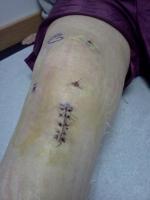 Read stories about visitors who suffered multiple ACL tears, how they recovered, and tips for prevention.
 -
Australia - Christian's soccer acl recovery age 13
Apr 24, 12 12:47 AM
Hi guys, I'm now nearly 6 months into my recovery. I had a FFA soccer scholarship and things were looking good until I injured myself on the 2nd day of
Subscribe to
"The Athletic Trainer's Corner"