Broken Ankle Advice
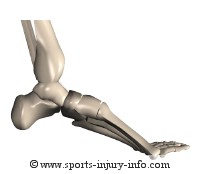
Broken bones, no matter where they are in the body, require a physcians care in order to heal correctly. There are a lot of factors that go into treating a broken ankle...and besides seeing your physician, I do have some other great advice.
When in Doubt
If you even have the slightest concern that you may have suffered a broken ankle, it is in your best interest, both for the short and long run, to see your physician immediately. If you have indeed fractured a bone, you need an X-ray to see where the fracture is, how bad it is, and if surgery is required.Some broken ankles are pretty straight forward. The bones are broken, it is very swollen, and you can't walk on it. Others are less obvious. Either way, it is a good idea to get an X-ray. When in doubt, always err on the side of caution. I regularly send all ankle sprains that I see acutely to the Dr. for an X-ray...just to make sure they aren't broken.
It is Broke - How Do You Fix It?
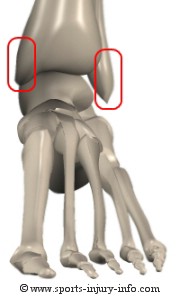
Ankle fractures are treated with a cast or walking boot intially. It takes about 6 weeks for bone to heal, so the broken ankle advice your physician will give you is to be immobilized in a cast or boot for that time period.
They may have you remove the cast or boot every few days to work on range of motion, or you may be in it the whole time. Usually you will recheck with them every few weeks to take follow up X-rays to make sure the bones are healing.
Some ankle fractures require surgery in order to re-align the bones and allow them to heal. Broken ankle advice for surgery? Talk with your physician and make sure you have all of your questions answered.
Surgical intervention involves placing plates and screws along the bones to hold them in place. After surgery, you will be in a cast for several weeks to allow for healing.
After the Cast Comes Off
Once you get out of your cast, whether you had surgery or not, you will need to go through some rehabilitation. This is the best broken ankle advice I can give you, and where a lot of people go wrong after an ankle fracture. Why is rehab so important? Glad you asked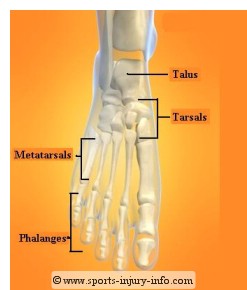
Motion of joints is what keeps them healthy, and keeps the surfaces lubricated. When you are immobilized, your joints can't move, so the joints get stuck.
When the cast comes off, you will have lost range of motion in your ankle and foot. This will affect the way you walk, and can also cause pain and discomfort when you start putting weight back on your leg.
Some of this motion will return just by using your foot again. However, it usually takes rehabilitation to return to normal. And if you are planning on returning to sports activities, you will need normal motion in order to compete.
Ask your doctor for broken ankle advice...especially about rehabilitation. Make sure they are aware of your concerns about playing again. And make sure that your athletic trainer or physical therapist is doing everything they can to get your motion back. Joint mobilizations are necessary to help restore normal motion.
If you are currently suffering from achilles tendonitis, plantar faciitis, ankle, or foot pain, you could benefit from a comprehensive foot and ankle strengthening program. Foot Pain Solutions is exactly what you need to help eliminate your foot, ankle, and low leg pain. Great for prevention too, Foot Pain Solutions can guide you to finally getting rid of your chronic foot and ankle pain.
Read more about Foot Pain Solutions
More Broken Ankle Advice
Don't delay in seeing your physician if you think you have suffered a broken ankle. The time you spend thinking that it will get better on its own is time wasted in recovery.R.I.C.E. principles are great for the initial treatment, and also to help alleveiate pain once you start the rehab process after cast removal.
It is a frustrating injury, but don't loose hope. Fractures heal well in most cases, and with rehab after the injury, you should be back to normal.
Didn't find what you were looking for? Search SII for more information...
Running Pain Solutions
Written for Runners by a runner, you'll learn a holistic approach to improving mobility, restoring normal movement and muscle activation patterns, and restoring the body and mind connection.
This Kindle Book contains a step by step program to keep you running pain free. Included are detailed instructions and illustrations for exercises to improve mobility, balance, neuromuscular control, strength and endurance. Only $7.49!
Get Your Copy Today!